3D Product Rendering vs Product Photography: Which Should Your Brand Use?
3D product rendering vs product photography compared on realism, flexibility, variants and speed, with clear guidance on when to use each or both.

Quick answer
3D product rendering creates photorealistic images and animations from a digital model, so products can be shown before they are manufactured, in endless colours and angles, and in scenes that would be impossible or costly to shoot. Product photography captures the real item with natural authenticity and is often faster for small catalogues of existing products. Many brands use photography for real-life and lifestyle images and 3D for variants, launches, exploded views, animations and AR.
A new product launches next month, but the factory has not shipped samples. The catalogue needs twelve colours of the same bottle. The ad concept shows a product floating through splashes of juice. These are the moments brands turn to 3D rendering. But photography still wins in many situations. Here is how to choose.
What is 3D product rendering?
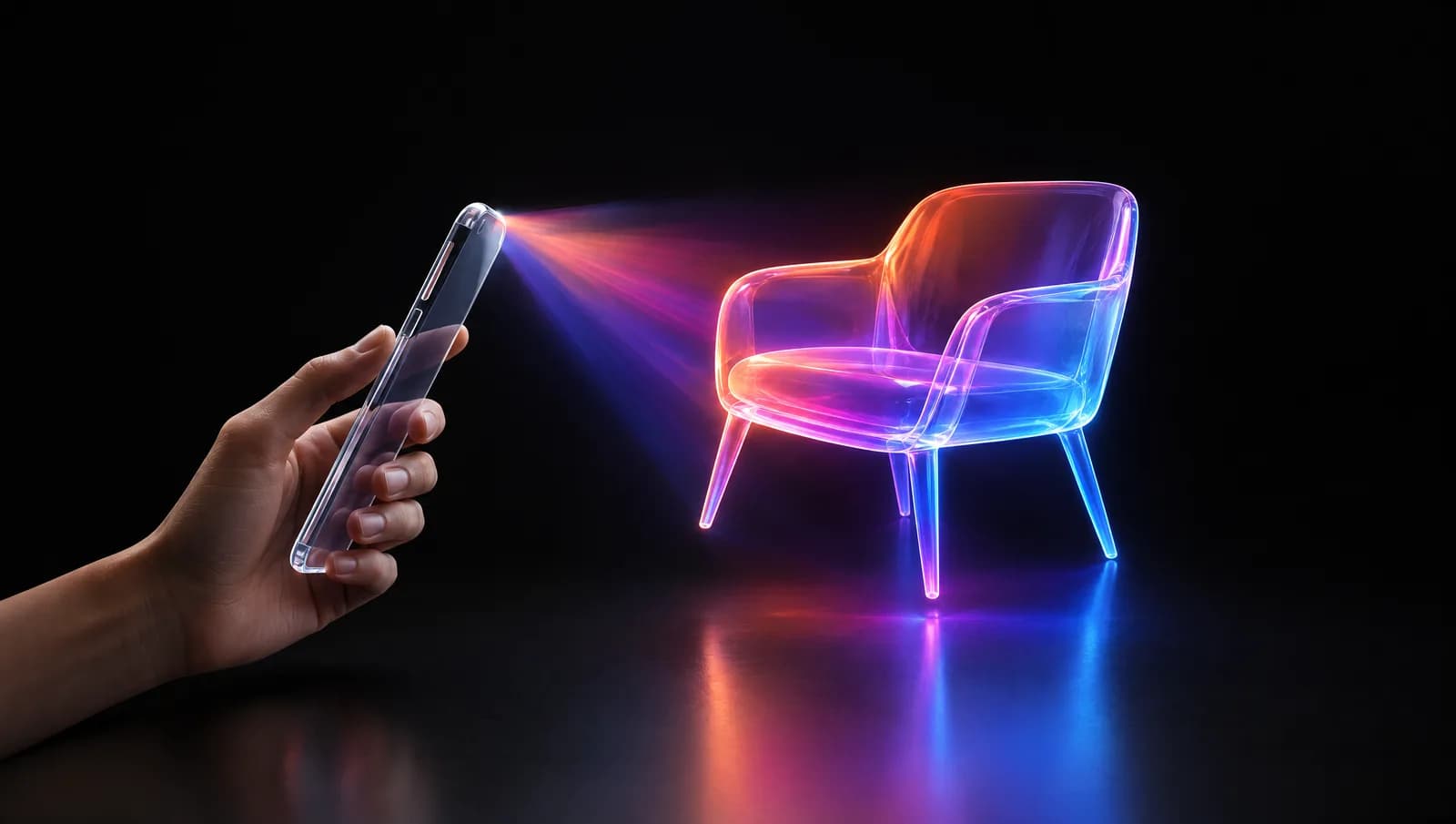
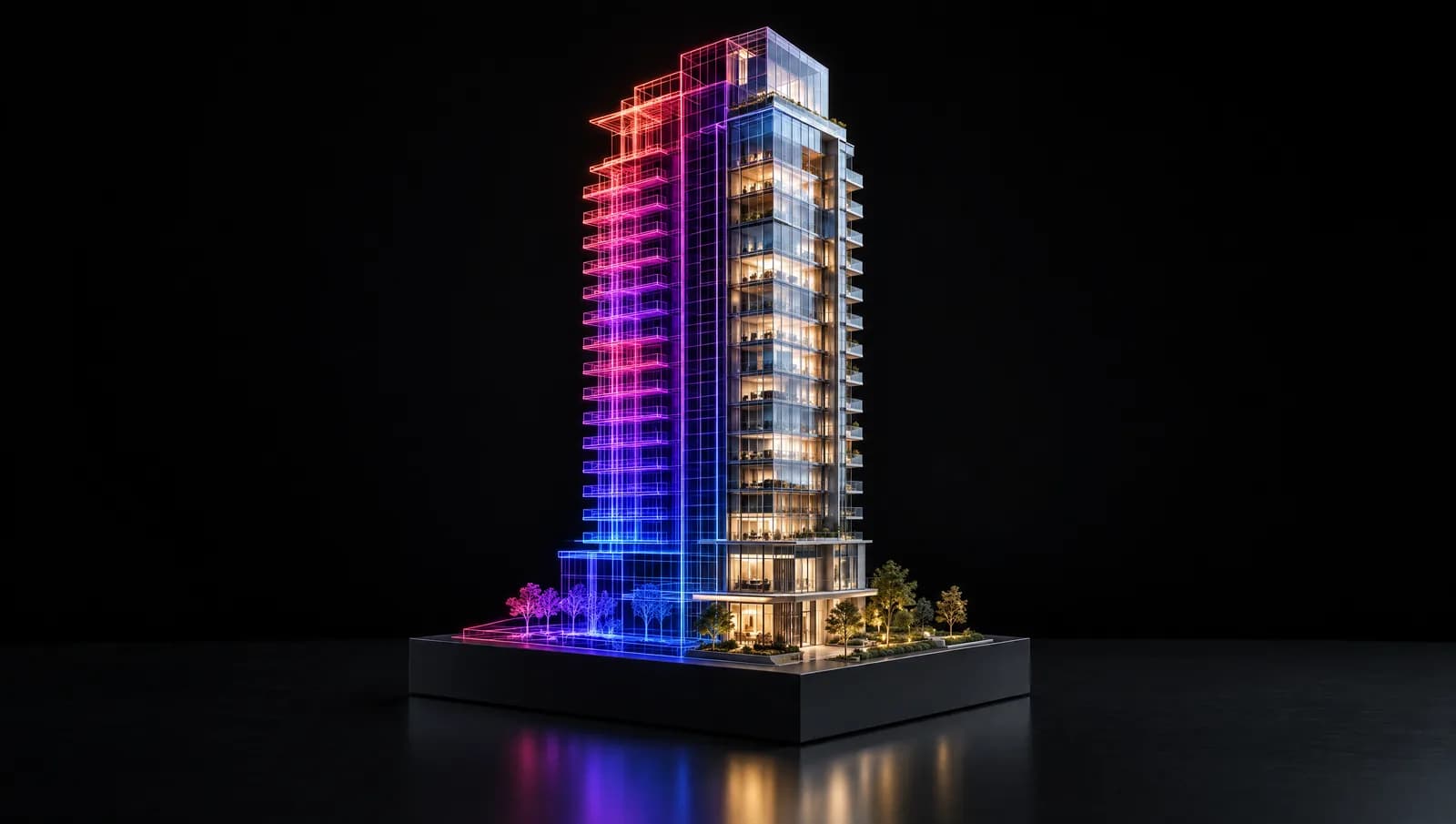
3D product rendering creates images and animations from a digital model of the product, with materials, lighting and camera angles set up virtually. Modern rendering is photorealistic, so viewers usually cannot tell a render from a photo.
How do 3D rendering and photography compare?
| 3D rendering | Product photography | |
|---|---|---|
| Needs a physical product | No, only drawings, references or a model | Yes |
| Colour and material variants | Easy, change the material | Each variant must be shot |
| Impossible shots | Cutaways, exploded views, floating products | Difficult or expensive |
| Changes after delivery | Re-render from the same model | Often requires a reshoot |
| Authentic human moments | Possible but complex | Natural and fast |
| Reuse | Images, video, 360 views, AR | Images and video from that shoot |
| Small catalogues of existing items | Can be slower to set up | Often faster |
When should you choose 3D rendering?
- Pre-launch products that are not manufactured yet
- Large variant ranges: colours, finishes, sizes and packaging versions
- Technical products that benefit from exploded views or cutaways
- Ambitious ad concepts with splashes, particles or impossible settings
- Consistency at scale across hundreds of items
- AR and 3D viewers, where the same model powers interactive experiences (see WebAR for brands)
When should you choose photography?
- Food, where real texture and steam sell the dish
- Fashion on models, where fabric movement and fit matter
- Lifestyle and people, where authenticity builds trust
- Small catalogues of products you already hold
Our product photography guide covers how to plan a shoot.
Why do many brands combine both?
Because each covers the other's weaknesses. A common approach: render clean catalogue images, variants and launch animations from 3D models, and photograph lifestyle scenes, people and food for social media and campaigns. Packaging often benefits from 3D mock-ups before print, as in our packaging design guide.
What does a 3D rendering project need?
- References: CAD files, technical drawings, photos or physical samples
- Materials: colour codes, finishes and labels
- Shot list: angles, scenes, aspect ratios and animations
- Review rounds: model check, then lighting and composition, then final images
How long does 3D rendering take?
Modelling takes the most time at the start; after that, new images are fast. A simple product can be modelled and rendered in days; complex products, scenes and animations take longer. Once a model exists, additional angles and variants are quick.
Thinking about 3D for your products?
We create photoreal product renders, 3D animations, packaging visuals and AR-ready models. Explore our 3D rendering and animation service, our product photography team, or send us your product.
Work with us
3D Production from The Coral Flow
Get a free 3D concept. Share your product. We send back a quick concept of how it could look in a 3D campaign.
Frequently asked questions
Can 3D renders look as real as photos?
Yes. With accurate models, materials and lighting, photorealistic renders are often indistinguishable from photographs, which is why many major brands use them in catalogues and ads.
When is 3D rendering better than photography?
When the product is not manufactured yet, comes in many variants, needs impossible angles or cutaways, must be shown in elaborate scenes, or will also be used in AR, 3D viewers and animations.
When is photography the better choice?
For small catalogues of existing products, food and fashion on people, and lifestyle content where real texture, human moments and authenticity matter most.
Can one 3D model be reused?
Yes. A single model can produce unlimited images, animations, 360 views and AR experiences, which is where 3D becomes very efficient over time.
Written by
Parves, Founder and Creative Director
Leads strategy and creative direction at The Coral Flow in Chennai, across web, search and content for brands in India and abroad.